WALKER PRODUCTS 1017-1004 Hvac Pressure Switch
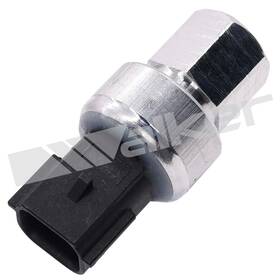
( Brand: Walker Products ), ( Manufacturer Part Number: 1017-1004 ), ( Part Type: Hvac Pressure Switch ), ( Warranty: 90 Day )
Review WALKER PRODUCTS Heavy Duty Hvac Pressure Switch
The 1017-1004 HVAC Pressure Switch by Walker is a vital component in maintaining the optimal performance of your heating, ventilation, and air conditioning system. This pressure switch is engineered to provide reliable and accurate pressure sensing, ensuring your HVAC unit operates efficiently and effectively.
The design of this pressure switch is both robust and compact, making it suitable for installation in various HVAC applications. It is constructed with high-quality materials, including a durable plastic housing that protects against corrosion and wear. The internal components are meticulously crafted to ensure precise and consistent pressure sensing, with a switch rating of 0.5 inches of water column (wc) and a maximum operating pressure of 15 psi.
The 1017-1004 HVAC Pressure Switch features a clear and easy-to-read pressure gauge, allowing you to quickly monitor the system pressure. The switch also includes adjustable setpoint adjustment, enabling you to fine-tune the pressure to meet the specific requirements of your HVAC system. Furthermore, this pressure switch is equipped with a built-in temperature limiter, providing an additional layer of protection against overheating and potential damage to the system.
Installation of the Walker 1017-1004 HVAC Pressure Switch is straightforward, with clear and concise instructions provided in the package. The switch can be easily mounted on the wall or the side of an HVAC unit using the included hardware. Once installed, the switch can be wired into the system using standard wire terminals.
In summary, the 1017-1004 HVAC Pressure Switch by Walker is an essential accessory for ensuring the efficient and reliable operation of your heating, ventilation, and air conditioning system. With its robust design, precise pressure sensing, and easy installation, this pressure switch is an excellent choice for both residential and commercial HVAC applications.
Buying a HVAC pressure switch, such as the 1017-1004 model from Walker, can be a valuable investment for maintaining the optimal performance of your heating, ventilation, and air conditioning system. However, like any purchase, it comes with its pros and cons.
Pros:1. Enhanced System Efficiency: A malfunctioning pressure switch can negatively impact your HVAC system's performance. By replacing it with a new one, you ensure that your system operates at its maximum efficiency.
2. Safety: A faulty pressure switch can cause safety concerns, such as gas leaks or fires. A new pressure switch ensures the safe operation of your HVAC system.
3. Cost Savings: A new pressure switch can help you save on energy bills by ensuring your system runs efficiently. Additionally, it can help prevent costly repairs or replacements caused by a malfunctioning switch.
Cons:1. Cost: The cost of a new HVAC pressure switch can vary, but it is generally an affordable repair. However, for those on a tight budget, the cost may be a concern.
2. Installation Complexity: Installing a pressure switch may require some technical knowledge and skills. If you are not comfortable performing the installation yourself, you may need to hire a professional, which could add to the overall cost.
3. Potential for Ongoing Issues: If the underlying cause of the pressure switch failure is a larger issue with your HVAC system, replacing the switch may only be a temporary solution.
In conclusion, buying a new HVAC pressure switch, such as the 1017-1004 model from Walker, can provide several benefits, including enhanced system efficiency, safety, and cost savings. However, it comes with potential drawbacks, such as cost and installation complexity. Ultimately, the decision to purchase a new pressure switch depends on the specific needs and circumstances of your HVAC system. If you are experiencing issues with your system's pressure switch, it may be worth considering the investment to ensure the safe and efficient operation of your heating and cooling system.
Details:
part #: 10171004 price
- $59.99
specifications aiconditioni:
- brand: Walker Products
- mpn: 1017-1004
- part type: Hvac Pressure Switch
- warranty: 90 Day
payments aiconditioni:
- other
- wallet: Apple-pay
- credit card: Visa
general aiconditioni:
- condition: New
- Commercial Truck Parts > Air Conditioning Heating > Other Air Conditioning Heating
seller aiconditioni:
- city: Pacific, Missouri
- # reviews: 125
- rating: 100.0%
shipping aiconditioni:
- cost: $5.00
- type: Fixed
- transit: 4-9 Days
- service: USPS Ground Advantage, UPS Ground, FedEx 2Day One Rate Medium Box
- class: Standard, Expedited
- carrier: USPS, UPS, FedEx
offer aiconditioni:
- availability: In Stock
- started: May 3, 2025
- sold: 0
- options: Ship-to-home
returns aiconditioni:
- paid by: Buyer
- time: 30 Days
- policy: Returns Accepted
Walker Products 1017-1004 Is Similar To:
- Walker Products 1017-1013 Heavy Duty Hvac Pressure Switch (96.5% similar) Part #: Walker Products 1017-1013 for sale...(May 1st, 2025)
- Walker Products 1017-1006 Heavy Duty Hvac Pressure Switch (98.2% similar) Part #: Walker Products 1017-1006 for sale...(May 3rd, 2025)
- Walker Products 1017-1010 Heavy Duty Hvac Pressure Switch (98.2% similar) Part #: Walker Products 1017-1010 for sale...(May 3rd, 2025)
- Walker Products 1017-1012 Heavy Duty Hvac Pressure Switch (96.5% similar) Part #: Walker Products 1017-1012 for sale...(May 3rd, 2025)
- Walker Products 1017-1022 Heavy Duty Hvac Pressure Switch (96.5% similar) Part #: Walker Products 1017-1022 for sale...(May 3rd, 2025)
- Walker Products 1017-1008 Heavy Duty Hvac Pressure Switch (98.2% similar) Part #: Walker Products 1017-1008 for sale...(May 3rd, 2025)
- Walker Products 1017-1009 Heavy Duty Hvac Pressure Switch (98.2% similar) Part #: Walker Products 1017-1009 for sale...(May 3rd, 2025)
- Walker Products 1017-1003 Heavy Duty Hvac Pressure Switch (98.2% similar) Part #: Walker Products 1017-1003 for sale...(May 4th, 2025)